Mold remediation is often seen as the final step in a stressful situation. Homeowners expect that once the work is done the problem is gone for good. Unfortunately this is not always the case. Mold can and does return after remediation if certain conditions are still present. Understanding why this happens and how to prevent it is critical if you want lasting results.
This guide explains in detail how mold comes back after remediation what mistakes lead to regrowth and what homeowners and property managers can do to protect their spaces long term.
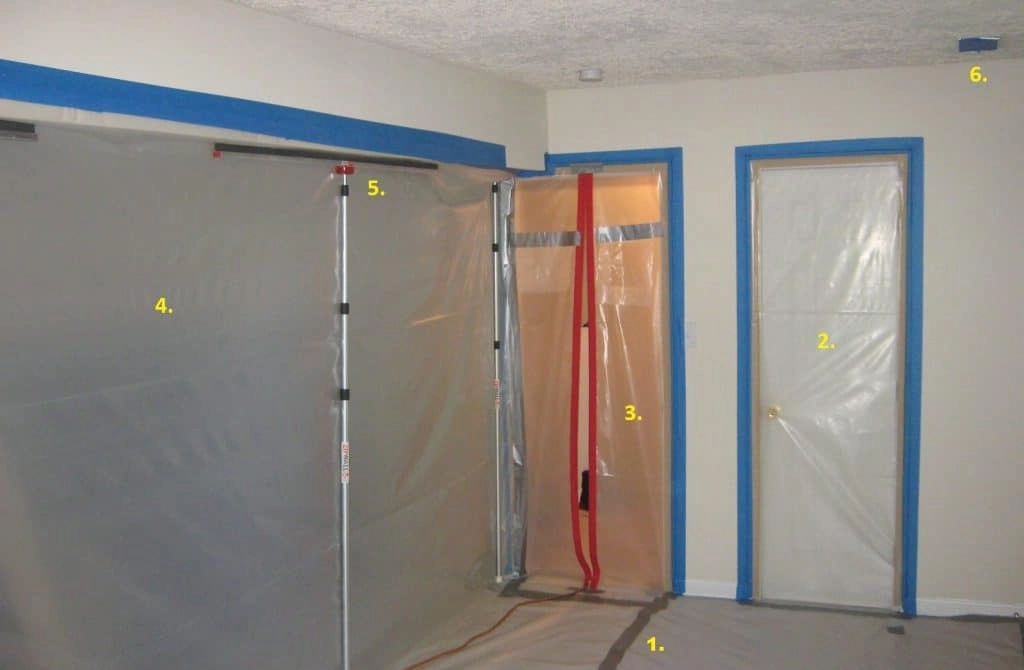
Understanding What Mold Really Needs to Grow
Mold is a natural organism that exists almost everywhere. It spreads through microscopic spores that float through the air both indoors and outdoors. Because spores are always present remediation is not about eliminating every spore. That is impossible.
Mold only becomes a problem when three conditions exist at the same time
Moisture
A food source such as drywall wood or fabric
Time
If moisture is not fully controlled mold can begin growing again within days or weeks even after professional remediation.
What Mold Remediation Actually Does
Many people believe mold remediation kills mold permanently. In reality remediation focuses on removing active mold growth and contaminated materials while cleaning and treating affected surfaces. The goal is to return mold levels to a normal indoor range and stop ongoing growth.
A proper remediation process typically includes
- Identifying and isolating affected areas
- Removing damaged porous materials
- Cleaning and treating salvageable surfaces
- Using air filtration to capture spores
- Drying the area thoroughly
What remediation does not do is fix underlying moisture problems unless that step is specifically included.
The Most Common Reasons Mold Returns After Remediation
Moisture Issues Were Not Fully Resolved
This is the number one reason mold comes back. If a leak humidity issue or drainage problem remains mold will eventually return.
Examples include
- Slow plumbing leaks inside walls
- Roof leaks that were patched but not repaired fully
- Poor bathroom or kitchen ventilation
- Basements with ongoing groundwater seepage
Even small amounts of moisture can restart growth over time.
Hidden Mold Was Missed
Mold often grows behind walls under flooring and inside ceilings. If remediation only addresses visible mold hidden colonies may continue spreading.
This is especially common in older homes or buildings that experienced long term water damage.
Improper Drying After Remediation
Surfaces may look dry but still contain moisture internally. Wood framing insulation and concrete can hold water for extended periods.
Without proper moisture testing mold can regrow beneath the surface where it is not immediately visible.
Contaminated Materials Were Not Removed
Some materials cannot be effectively cleaned once mold has penetrated them. Carpets drywall insulation and ceiling tiles often need removal.
If these materials are left in place mold can reappear even after surface treatments.
Recontamination From Airborne Spores
If containment and air filtration were not handled correctly spores can spread to clean areas during remediation. These spores may later grow if moisture appears.
How Long Does It Take for Mold to Come Back
Mold can begin growing in as little as twenty four to forty eight hours under the right conditions. Visible growth may take longer but regrowth can happen quickly if moisture returns.
In some cases mold does not become obvious for months. This delayed appearance often leads homeowners to believe the problem is new when it is actually related to the original issue.
Signs That Mold May Be Returning
Early detection is key. Watch for these warning signs
- Musty or earthy odors
- New discoloration on walls ceilings or floors
- Peeling paint or bubbling drywall
- Increased allergy or respiratory symptoms indoors
- Condensation on windows or walls
If you notice any of these signs it is important to act quickly.
How to Prevent Mold From Coming Back
Control Moisture at All Times
Moisture control is the foundation of mold prevention. Steps include
- Fixing leaks immediately
- Keeping indoor humidity below sixty percent
- Using exhaust fans in bathrooms kitchens and laundry areas
- Ensuring proper drainage around the foundation
Dehumidifiers can be very effective in damp climates or basements.
Improve Ventilation
Poor airflow allows moisture to linger. Make sure air can circulate freely especially in enclosed spaces like closets and bathrooms.
Attics and crawl spaces should also be properly ventilated to prevent trapped moisture.
Use Moisture Resistant Materials
In areas prone to moisture consider mold resistant drywall paints and insulation. These materials do not prevent mold completely but they reduce risk.
Schedule Follow Up Inspections
Post remediation inspections help confirm that moisture levels are normal and no regrowth has occurred. This is especially important after major water damage.
Maintain Your Property Proactively
Regular maintenance goes a long way. Clean gutters service HVAC systems and inspect plumbing regularly. Small issues caught early prevent large mold problems later.
Is It Normal for Mold to Return
Mold returning does not always mean remediation failed. In many cases it indicates that environmental conditions were not fully corrected.
A successful remediation removes existing mold but long term success depends on moisture management and ongoing maintenance.
When to Call a Professional Again
If mold returns do not ignore it or attempt to cover it up. Professional assessment is recommended when
- Mold covers more than a small area
- The source of moisture is unclear
- You smell mold but cannot see it
- Health symptoms worsen indoors
JDN Water and Fire Restoration can determine whether this is regrowth or a new issue and recommend the correct solution.
So can mold return after remediation Yes it can and often does when moisture problems remain or hidden growth is missed. Mold remediation is not a one time fix but part of a larger strategy focused on moisture control building maintenance and early detection.
When remediation is paired with proper repairs drying and ongoing prevention mold is far less likely to return. Understanding this difference helps homeowners set realistic expectations and protect their property long term.
If you want mold gone for good the real solution is not just removal but prevention.