Water damage is one of the most common problems faced by homeowners and property managers. Whether caused by a burst pipe roof leak flooding or long term humidity issues water damage often leads to mold growth. A common and very important question follows soon after. Is mold from water damage dangerous
The short answer is yes it can be. The long answer depends on several factors including the type of mold the extent of growth the length of exposure and the health of the people living or working in the affected space. This article explores the risks in depth and explains why mold caused by water damage should never be ignored.
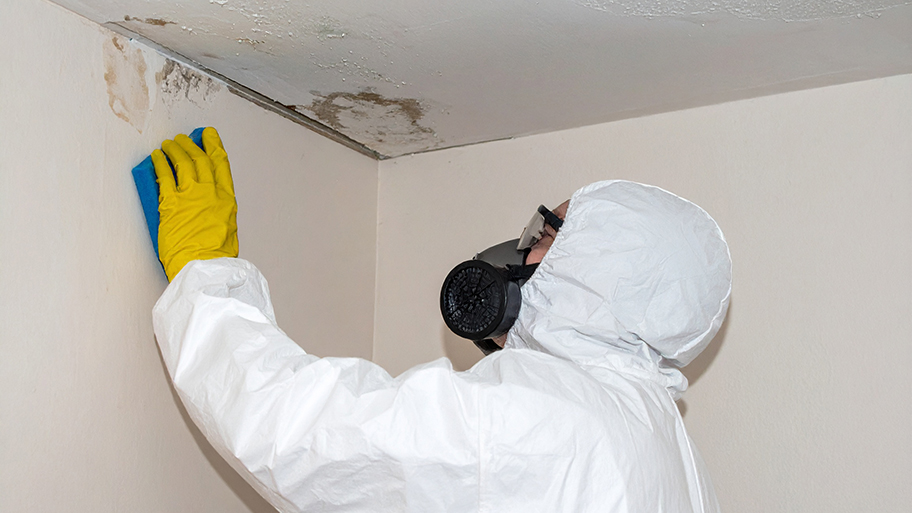
How Water Damage Leads to Mold Growth
Mold spores exist naturally in the air at all times. They are harmless until moisture is introduced. When water damage occurs it creates the perfect environment for mold to grow.
Common sources of water damage that lead to mold includes;
- Leaking pipes inside walls
- Roof leaks after storms
- Flooding from heavy rain or plumbing failures
- Overflowing appliances like washing machines or dishwashers
- Poor ventilation that causes constant condensation
Once moisture soaks into materials like drywall wood carpet or insulation mold can begin growing within one to two days. In many cases this growth happens behind walls or under floors where it remains hidden until the problem becomes severe.
Why Mold From Water Damage Is a Serious Concern
Mold from water damage is not just a cosmetic issue. It can affect health damage the structure of a building and reduce indoor air quality significantly.
Health Risks Associated With Mold Exposure
Mold releases spores and tiny fragments into the air. When inhaled these particles can irritate the respiratory system and trigger a range of symptoms.
Common health effects includes;
- Sneezing coughing and nasal congestion
- Eye skin and throat irritation
- Headaches and fatigue
- Worsening of asthma symptoms
- Shortness of breath
People with allergies asthma weakened immune systems the elderly and young children are especially vulnerable. Long term exposure can increase sensitivity over time making reactions more severe.
Toxic Mold and Water Damage
Some types of mold that grow after water damage can produce mycotoxins. These are toxic compounds that may cause more serious health issues with prolonged exposure.
While not all mold is toxic water damaged environments often support mold species that thrive on wet building materials and organic debris. This increases the risk compared to minor surface mold caused by everyday humidity.
Symptoms linked to prolonged exposure may includes;
- Chronic sinus infections
- Memory and concentration problems
- Persistent coughing or wheezing
- Unexplained rashes or skin irritation
This is why mold related to water damage should always be treated seriously.
Structural Damage Caused by Mold
Beyond health concerns mold can weaken the structure of a building. Mold feeds on organic materials and over time it breaks them down.
Materials commonly affected includes;
- Drywall and plaster
- Wood framing and subfloors
- Ceiling tiles
- Insulation
- Carpeting and padding
As mold spreads these materials lose strength. In severe cases this can lead to sagging ceilings warped floors and costly repairs. What starts as a small water leak can eventually turn into major structural damage if mold is allowed to grow unchecked.
Why Mold From Water Damage Is Often Hidden
One of the most dangerous aspects of water damage mold is that it often grows out of sight. Mold can thrive behind walls under cabinets beneath flooring and inside HVAC systems.
Because it is hidden people may continue breathing contaminated air without realizing the cause. By the time visible signs appear the mold problem is often widespread.
Warning signs of hidden mold includes;
- Musty or earthy odors
- Peeling paint or bubbling drywall
- Stains on ceilings or walls
- Increased allergy symptoms indoors
Ignoring these signs can allow the problem to worsen.
How Long Does It Take for Mold to Become Dangerous
Mold can begin growing within forty eight hours after water damage. Health risks increase the longer the mold remains and the larger the affected area becomes.
Short term exposure may cause mild symptoms while long term exposure especially in enclosed spaces can lead to more serious and persistent health issues.
The danger is not just how fast mold grows but how long people are exposed without proper remediation.
Can You Safely Clean Water Damage Mold Yourself
Small surface mold on non porous materials can sometimes be cleaned safely with proper precautions. However mold caused by water damage is often deeper and more extensive than it appears.
Professional help is recommended when
- Mold covers more than a small area
- Water damage affected walls ceilings or flooring
- The source of moisture is unknown
- You smell mold but cannot see it
- Health symptoms are present
Improper cleaning can spread spores to other areas and make the problem worse.
Preventing Mold After Water Damage
The best way to reduce danger is prevention and fast response.
Key prevention steps include
Drying affected areas within twenty four hours
Fixing the source of water immediately
Using dehumidifiers and fans to control moisture
Removing water damaged materials that cannot be dried
Monitoring humidity levels indoors
Quick action can often stop mold before it becomes a health hazard.
So is mold from water damage dangerous Yes it can be especially when left untreated. Water damage mold poses real health risks can compromise the structure of a building and often grows hidden from view.
Taking water damage seriously responding quickly and addressing mold properly are essential steps to protecting both property and health. Mold is not just a sign of a moisture problem it is a warning that should never be ignored.
If there is one takeaway it is this. Where there is water damage mold is not far behind and the longer it stays the more dangerous it can become.