Flood damage is a term many homeowners hear after heavy rain storms plumbing failures or natural disasters. However there is often confusion about what actually qualifies as flood damage and how it differs from other types of water damage. Understanding this distinction is important because it affects insurance coverage repair decisions health risks and the overall safety of a home.
This guide explains in simple terms what is considered flood damage in a home how it happens what areas are commonly affected and why it must be handled carefully.
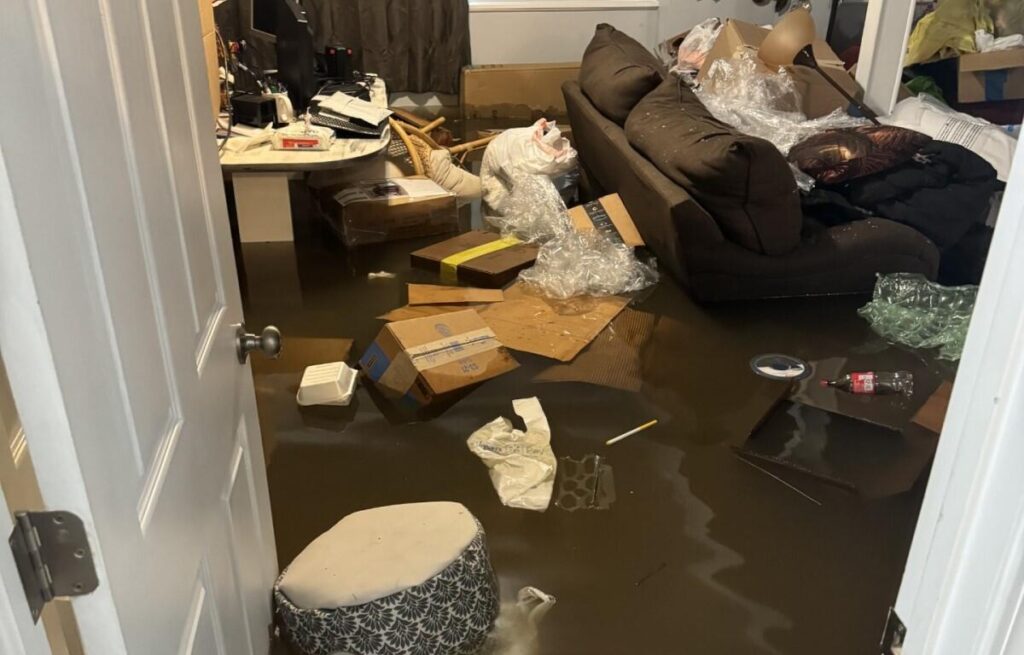
Basic Definition of Flood Damage
Flood damage occurs when water enters a home from outside and accumulates on the ground level or below ground level. The key factor is that the water originates externally and overwhelms the home rather than coming from an internal plumbing system.
In most cases flood damage involves large amounts of water spreading across floors soaking walls and penetrating building materials.
Floodwater is often contaminated which makes this type of damage more serious than a typical leak or spill.
Common Sources of Flood Damage
Flood damage can happen in many different ways. Some of the most common sources includes;
- Heavy rainfall that overwhelms drainage systems
- Overflowing rivers lakes or streams
- Storm surge from hurricanes or coastal storms
- Rapid snowmelt combined with rain
- Blocked storm drains that cause water to back up
- Groundwater rising and entering basements or crawl spaces
If water enters the home because the ground outside cannot absorb or drain it fast enough it is generally considered flood damage.
How Flood Damage Is Different From Water Damage
Not all water damage is flood damage. This distinction is important especially when dealing with insurance claims.
Water damage usually refers to water that comes from inside the home such as;
- Burst or leaking pipes
- Overflowing bathtubs or sinks
- Appliance malfunctions like washing machines
- Water heater failures
Flood damage on the other hand involves water that comes from outside the structure and spreads across floors or seeps through foundations.
Even clean rainwater becomes floodwater once it contacts soil sewage chemicals or debris.
Areas of the Home Commonly Affected by Flood Damage
Flood damage often impacts multiple areas of a home at the same time. The most vulnerable areas includes;
- Basements and crawl spaces
- Ground level floors
- Drywall and insulation near the floor
- Electrical outlets and wiring
- Flooring materials such as carpet wood and laminate
- Furniture and personal belongings
Because floodwater spreads quickly it can cause widespread damage in a short period of time.
Why Flood Damage Is Considered Serious
Flood damage is not just about visible water. It brings several serious risks that homeowners need to be aware of.
Contamination and Health Risks
Floodwater is rarely clean. It often contains bacteria sewage chemicals pesticides and debris. When this water enters a home it contaminates everything it touches.
This contamination increases the risk of illness skin irritation and respiratory issues especially if cleanup is delayed or done improperly.
Mold Growth After Flooding
Flooded materials stay wet for extended periods especially in walls floors and insulation. This creates ideal conditions for mold growth which can begin within one to two days.
Mold from flood damage often spreads quickly and can become hidden making it harder to detect and remove.
Structural Damage
When building materials absorb floodwater they weaken over time. Wood can rot drywall can crumble and flooring can warp or detach.
If flood damage is not addressed promptly the structural integrity of the home may be compromised leading to costly repairs.
What Materials Are Usually Considered Unsalvageable
Due to contamination and prolonged moisture certain materials are typically considered flood damaged beyond repair.
These often includes;
- Carpet and carpet padding
- Drywall that has absorbed water
- Insulation
- Upholstered furniture
- Mattresses and soft furnishings
Hard surfaces may sometimes be cleaned but porous materials usually require removal for safety reasons.
How Insurance Typically Views Flood Damage
Flood damage is usually treated differently than other water damage by insurance companies.
Standard homeowners insurance often does not cover flood damage. Separate flood insurance policies are typically required.
Insurance providers generally define flood damage as water that enters the home from the ground up rather than from an internal source.
Because of this definition it is important to document the source of the water carefully after an incident.
Signs Your Home Has Flood Damage
Some signs are obvious while others may appear days or weeks later.
Common signs includes;
- Standing water or water lines on walls
- Musty or unpleasant odors
- Discoloration on drywall or flooring
- Peeling paint or bubbling walls
- Warped floors or loose tiles
- Increased humidity inside the home
Even if visible water is removed hidden damage may still exist behind walls or under floors.
What To Do After Flood Damage Occurs
Quick action can reduce long term damage.
Important steps includes;
- Ensuring safety before entering the home
- Stopping additional water from entering if possible
- Documenting damage with photos and videos
- Removing standing water promptly
- Drying affected areas thoroughly
- Seeking professional assessment when needed
Flood damage cleanup often requires specialized equipment and training due to contamination risks.
So what is considered flood damage in a home Flood damage refers to water that enters a house from outside sources and spreads across floors or seeps through foundations. It is different from internal water damage and carries greater health and structural risks.
Understanding this definition helps homeowners respond correctly file accurate insurance claims and protect their property and health. Flood damage should always be taken seriously even if the water appears shallow or clears quickly.
When it comes to flooding the real danger is not just the water you see but the damage it leaves behind.